$10.9M email-attributed, built from an empty ESP. The DTC portfolio average is 33%. Above 40% is considered top tier.
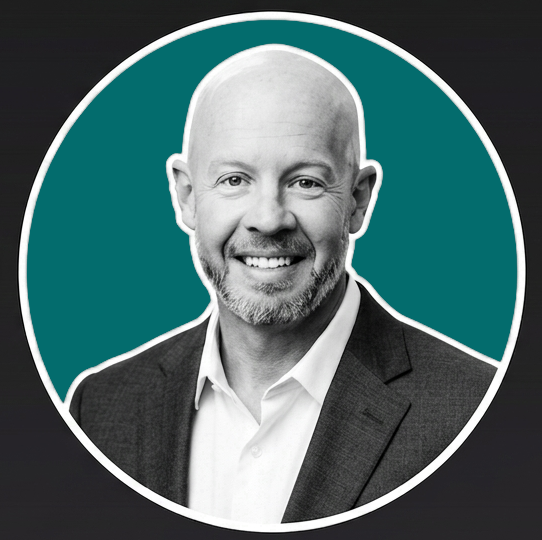
I'm Steve Hebert — CRM, lifecycle and retention leader in Manchester, NH. Thirteen years split between enterprise brands sending to audiences above two million and DTC programs I've taken from zero. I also own the systems underneath: platform selection, requirements, integrations, QA, consent, vendors.
Each of these has a longer answer. None of them fit on a page.
Send volume dropped 19.8%. Unsubscribes fell 26.6%. Worth $860K on identical volume. The interesting part is what the 60 had in common.
MegaFood. I read the behavior before I read the brief, then moved acquisition to match. 150%+ YoY DTC revenue growth followed.
1,424 tagged clicks recorded as about 20 sessions, and no purchase event firing at all. I found it in a GA4/GTM audit and handed over a developer punch list, not a slide deck.
A test that paid off by failing. A good disaster beats a guess, and it beats a meeting about a guess.
Not me: daily paid media buying, software engineering or pure implementation, IC-only campaign management without strategy or team, B2B SaaS lifecycle, or Manager scope wearing a Director title. If the role sits mostly there, pass this page to someone in your network instead.
Tell me about the role, or forward the link to the hiring manager. My calendar is open — pick a slot, no email back-and-forth.
Everything above is what you need to decide whether to call. Everything below is for the people who like reading the whole thing — hiring managers, mostly, and the occasional recruiter who wants ammunition for an internal pitch.
Every metric is an outcome from a program I built or ran. No composites, no extrapolations.
4.27M delivered emails carrying 59.4% of store orders, with spam complaints running 25x below the Gmail and Yahoo throttling thresholds. The build was as much platform work as marketing: owning the Omnisend, WooCommerce and WordPress connection, clean data, explicit consent, the foundational journeys, the reporting, and every day-to-day platform call.
Took a brand-only website and made it a real DTC business. Owned acquisition through LTV expansion — list building, onboarding, subscription via OrderGroove, loyalty via Yotpo, winback — managed the DTC team, and partnered with Product and FP&A on KPIs and forecasting.
It was also a zero-to-one martech build. I partnered with the VP of IT through vendor evaluation and RFP work, took part in selecting Salesforce Commerce Cloud, chose Klaviyo when no native connector existed, and wrote the business requirements a full-stack developer built against. Then marketing-side QA and UAT, regulated catalog migration, consent, launch readiness — and after go-live, governance of Klaviyo, Attentive, Zendesk, OrderGroove and Yotpo.
Three roles, not one. Senior CRM & Retention Marketing Manager at Banter by Piercing Pagoda, where I launched the first SMS program from scratch and rebuilt the lifecycle — 23%+ subscriber growth, 5× peak-season ROI, and a batch-and-blast program turned into a segmentation-driven channel. Then Performance & Lifecycle Marketing Leader at Peoples Jewellers. Then CRM Engagement Manager for Jared and Kay, holding two-brand continuity through a centralization and two layoff rounds.
Database mining, RFM, behavioral and predictive segmentation, built alongside the data activation and data science teams so predictive models became lifecycle programs people actually received. Represented Marketing in the enterprise Adobe CDP implementation and the RFPs behind it. Directed a 5–7 person Publicis workflow end to end.
Builds create the systems. Teardowns find what an existing program is leaving on the table. It also includes a live operating system that joins site sales and ESP data into a product velocity burn report, read daily for inventory control and repurchase strategy — a decision system, not an engineering project.
"Customers tell us with their clicks what's working and what's not."
Latest example: order-level analysis of 9,000+ orders showed the median first-to-second reorder landing at 15.8 days, so the replenishment flow moved from day 21 to day 14. The calendar didn't decide that. The customers did.
Brand assumptions and customer behavior almost never line up. Clicks, abandons, completed purchases — that's the honest scoreboard, and I read it before the brief.
Acquisition, lifecycle, ecommerce and customer systems usually get owned by different teams. I run them as one loop: retention data informs acquisition, and the stack has to support the decision.
Open rate and CTR are leading indicators. Cohort retention, repeat purchase rate and LTV are the actual KPIs. Engagement that doesn't compound to revenue isn't worth chasing.
I'm not applying as a software engineer. I'm the business owner who can choose the platform, define what it needs to do, direct the technical work, test the result, and operate it after launch.
Eight Python analytics engines and an unattended monthly reporting job, in production since May 2026. Site sales merged with ESP performance into views I use to make calls: product velocity, repurchase windows, inventory pacing. No analyst between me and the answer.
I've selected platforms, written requirements and acceptance criteria, led QA and UAT, worked through consent and data flows, and managed vendors and technical partners. I own the business problem and the operating result. Engineers own the code.
Before a campaign ships, I have the model argue against it — tell me why this failed — and pressure-test the plan while it's still cheap to change. Claude, Python and n8n: how I work, not a demo I run for interviews.
CRM, lifecycle and retention are the center of the work. I define the journey architecture, then go build it — senior enough to set the strategy, hands-on enough to execute it. Acquisition sits inside that view rather than beside it, because retention data is what tells me where the next dollar should go.
The second thread is the machinery underneath the program: platform evaluation, RFPs, requirements, integrations, QA and UAT, consent, customer data and vendor governance. I'm not the engineer in the room. I'm the marketing owner who can make the work specific enough to build and accountable enough to operate.
Categories run from FDA-regulated supplements to intimate wellness — places where compliance and channel restrictions are operating constraints, not afterthoughts. And I don't need a roadmap handed to me. I need a leader who unblocks me when I'm stuck; the rest is mine to figure out.
The thread through my career: I show up when there's nothing built yet and leave a system that runs. The latest room with nothing in it now does $10.9M email-attributed. Looking for the next one.
Junk Gym Digital is my consulting practice — three to five clients at a time, retainer or project. Same operator, same skill set, narrower scope. If a full-time hire isn't on the table right now, this is the lower-friction first step. The full-time door stays open either way.
How the program was built, what the stack had to support, and why the decisions worked — none of that fits on a page. Tell me about the role, or forward the link to the hiring manager.